

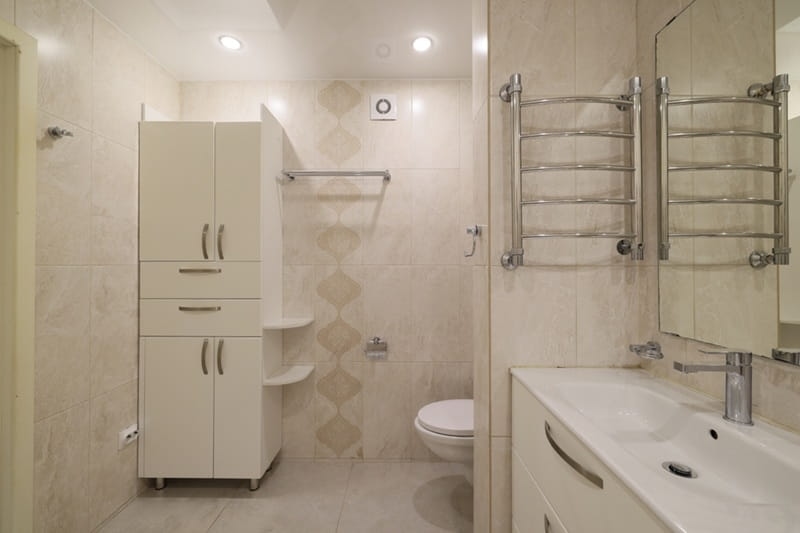
Water closet design is one of those things people notice only when it is done wrong. When planned well, the toilet area feels easy, clean, and natural to use. That is what matters every single day. This blog shares practical water closet design ideas, explains key water closet designs, and highlights bathroom design with water closet planning that keeps the space simple, neat, and comfortable.
Must Read: 2025 Bathroom Makeover Ideas for Luxury Look on Budget
A water closet design means the planned setup of the toilet area. It covers how the toilet is placed, how much space surrounds it, and how the area stays fresh. It is not just a toilet choice. It is the complete plan that supports comfort and daily use.
Some homes keep the toilet in the same bathroom zone. Other homes separate it into a private toilet area. Both can work. The difference is planning. When planning is smart, the layout feels smooth. When planning is rushed, the space feels cramped and annoying.
A good design also considers cleaning. If cleaning feels difficult, people delay it. And then the bathroom stops feeling fresh. That is why the layout matters more than most people think.
A strong bathroom water closet design also supports ventilation and better lighting. Even a small toilet area can feel neat and breathable when airflow and placement are correct.
A toilet space should work like a quiet helper. It should do its job without demanding attention. These are the things that decide whether a setup will feel comfortable for years.
The toilet area should leave enough room for legs, movement, and comfort. When the space is tight, it affects daily use. It also makes cleaning harder, which nobody enjoys. Good spacing supports better bathroom design with water closet planning and avoids awkward layouts.
Fresh air keeps the toilet area dry and clean. Without airflow, smell and moisture stay trapped. Over time, walls may feel damp and corners may darken. A window, or an exhaust fan, keeps things under control and supports a healthier toilet space.
The toilet works best when the water supply and drainage have a clean route. When too many turns are added, it increases the chance of problems later. A simple route is easier to maintain and supports long-term water closet designs that remain reliable.
Now comes the part people actually enjoy. Because picking a style feels like progress. These ideas are practical, and they work for modern homes without making things complicated.
This design lifts the toilet off the floor, which makes cleaning easier. The floor looks open, and the space feels larger even when it is small. It also reduces hidden corners that collect dirt.
A tankless setup removes the bulky look of traditional tanks. The wall feels cleaner and more modern, and the toilet area feels less crowded. It also supports better use of wall space.
Smart toilets may include touch-free flushing, better cleaning comfort, and improved hygiene support. It reduces the need for contact, which people appreciate. Also, it just feels easier.
When the toilet is placed in a separate section, it improves privacy and helps keep wet areas away. This prevents water splashes from mixing with the toilet area. It also makes the bathroom feel more organized.
Corner placement keeps the toilet out of the main walking area. It improves movement near the sink or shower. It is simple and practical, with no drama.
A good layout does not just look nice; it also works. It changes the daily routine. The toilet area becomes easier to use, easier to clean, and easier to share.
When the toilet placement is smart, it stays out of direct view. That makes the bathroom more comfortable for guests, too.
When cleaning is easy, people do it more often. That sounds basic, but it changes everything. Layouts with open floors and smooth surfaces reduce effort.
A good toilet setup makes movement easier for everyone, including children and older adults. Enough space helps prevent slips and awkward stepping.
Features are not about fancy things. They are about ease. They make daily use smoother, and they reduce small annoyances.
The toilet should flush properly without repeated attempts. A clean flush supports hygiene and reduces smell issues.
Smooth finishes make cleaning simpler. Dust and stains do not stick as easily. This matters because cleaning is not a once-a-month thing.
Hidden cisterns and concealed lines reduce clutter on walls. It looks cleaner and feels more modern. It also reduces dust collection around pipes.
Modern design is popular for one simple reason. It is easier to live with. It looks neat, it cleans faster, and it supports comfort.
Clean shapes and simple finishes fit most interiors. The toilet space blends naturally with the bathroom instead of standing out. Many people prefer modern water closet designs because they feel balanced and neat.
Wall-mounted and slimmer fixtures reduce visual clutter. When the floor is visible, the space looks bigger. This is why many water closet design ideas focus on compact, clean layouts that open up the room.
Touch-free features, better surface finishes, and an easier cleaning design reduce daily stress. Hygiene stays under control with less effort. That is a key reason modern water closet designs continue to rise in demand.
A smart toilet layout improves everyday comfort, cleanliness, and bathroom flow. The right placement, ventilation, and features can make the space easier to use and easier to maintain. With practical planning and simple choices, a toilet area can look modern and still feel effortless daily.
Corner placement, wall-mounted toilets, and compact layouts work well. These water closet design ideas improve movement and keep the bathroom from feeling cramped.
Wall-mounted and tankless options are easier to clean because they reduce floor contact. Many water closet designs support faster mopping and fewer hidden corners.
Smart placement prevents awkward movement and keeps the layout balanced. Good bathroom design with water closet planning makes daily routines feel simpler and cleaner.
This content was created by AI